Fatboy Records
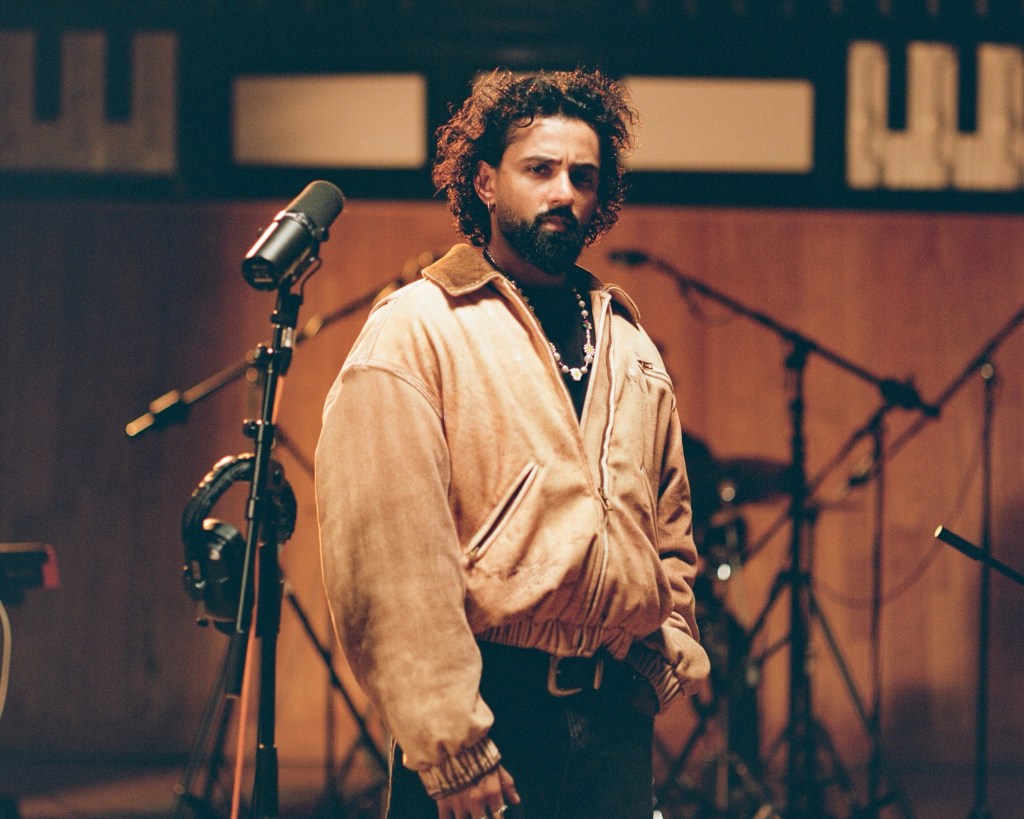
Over the past five years, we’ve seen Raf-Saperra’s ascent to fame in the Punjabi music scene as he waved the flag for the UK as the voice of his generation. He went from posting covers of his favourite songs to the few hundred followers he had on his Instagram account, to dropping one of the most widely acclaimed British South Asian debut projects ever, partnered with Mass Appeal to drop a love letter to East Coast Hip-Hop and now tours worldwide to huge crowds of his adoring fans that share with him how he’s topped their Spotify Wrapped lists after performances. He’s become a chameleon of sorts as he finds himself embraced in all types of spaces: from the bourgeois settings of Paris Fashion Week to the streets of Brixton with DJ AG, he shows up as himself wherever he plants his two feet. Raf’s sound spans everything from Hip-Hop, R&B, UK Bhangra, Punjabi Folk, Grime, Garage and traditional Qawwali—boasting a versatility that just isn’t seen in today’s South Asian landscape.
The British Punjabi singer-songwriter returns with his third project, an EP short of 30 minutes, titled She Loves Me, She Loves Me Not. When looking back through time and music, artists typically define who they are with their third album. Their whole lives have led up to the moment they created their first album, into which they pour their creative heart, soul and human experiences; their sophomore album builds on the magic they were able to create with their first body of work and then is left to their devices to figure out how to make a defining artistic statement with their third album. A lot can happen at this point in an artist’s career. Some become comfortable in their creativity, and a new confidence brews within. New sounds, innovative approaches and exciting collaborations are born out of a need to outdo yourself and create good art. Others fall flat in their hope to deliver something they think their audience would want to listen to. When I think of great third albums, I think of Radiohead’s OK Computer, Kendrick’s To Pimp a Butterfly, A Tribe Called Quest’s Midnight Marauders, D’Angelo and The Vanguard’s Black Messiah, Frank Ocean’s Endless, Kuldip Manak’s Ik Tara and Sidhu Moose Wala’s Moosetape. Each of these bodies of work came at a huge turning point in their respective careers, homed some of their biggest singles, catapulted them to fame in ways they didn’t know were possible and provided an artistic statement on what they wanted their art to be remembered for. So, with that in mind, what does Raf-Saperra have in store for us?

Fatboy Records
As confident as he usually seems, we see Raf in a more vulnerable state here. Aptly released on Valentine’s Day 2025, She Loves Me, She Loves Me Not… tells the eternal tale of the journey from infatuation to heartbreak and the grief that occurs thereafter in the most modern, melodramatic way possible. He channels his powerful, classically-trained vocals into an intimate performance across six songs (not including a haunting shehnai interlude by the name of Suraj Vi Sharabi Lagda—but we’ll get to this later). His latest project offers his fans his most cohesive and expansive-sounding project yet, with nods to Hip-Hop-inspired R&B, Indie-rock, classical Qawwali and Punjabi Folk throughout this short journey of an EP.
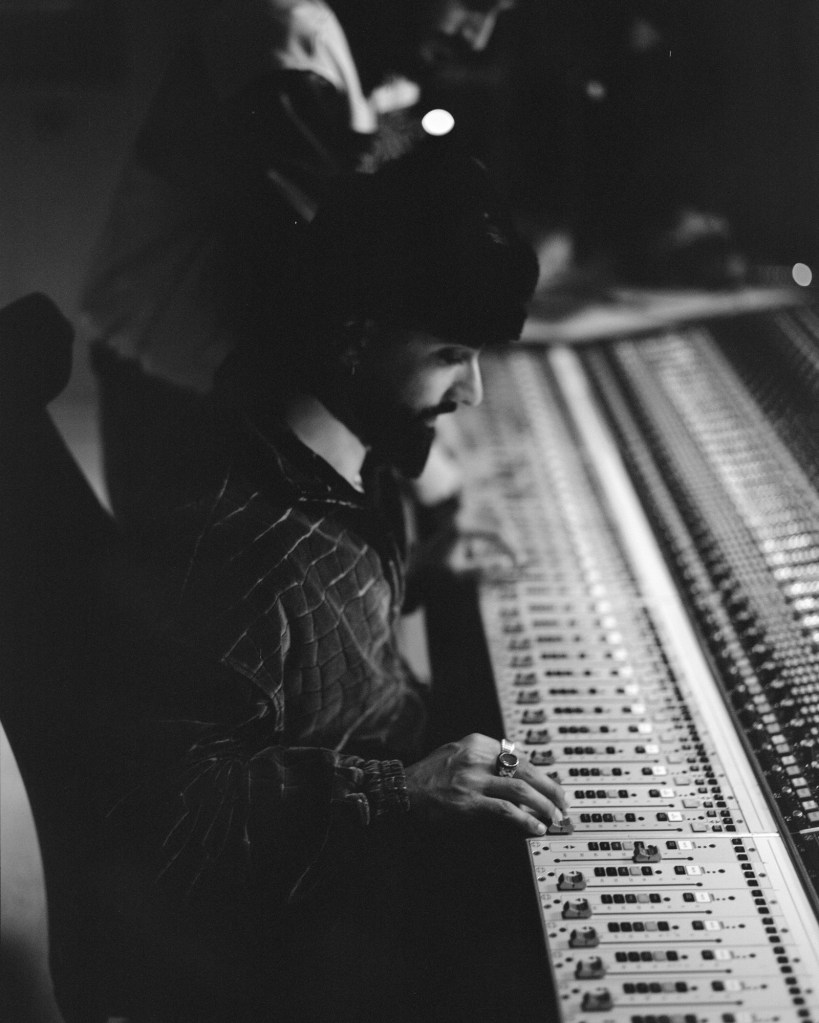
The album starts with the feeling of love at first sight with Heer—a guitar-led R&B performance that’ll get anyone in the mood for romance. Ikky’s production is as stellar as always and makes for an excellent opener. It’s warm, fresh and the perfect poppy but soulful track. This theme of love and desire continues with the bass-bumping R&B track Still Charming—a song you can bop your head to while riding around in your car, with your one hand on the inner thigh of your boo in the passenger seat. This JSK-produced song is the perfect spring-summer banger to charm your crush with. Rav Hanjra lends his pen to the project with what could be one of the strongest songs on the entire EP. You’re then immediately taken back to the beauty of pre-Partitioned India with Nazara—an original Qawwali composition by Raf-Saperra, that feels somewhat modern and easily accessible for a generation of people who may not have grown up with Sufi music as much as it is of the cloth it’s cut from. Its raw and energetic character jumps out to you within the first two seconds—the same amount of time it took me to start clapping and nodding my head along with the chorus of men singing in the background of this song. It immediately registers to me that this was probably recorded live. You can’t fake the sound of someone hitting the plastic keys of a vaja or the rush in your voice that comes with singing with a group of people about love and life. In short, it’s a masterpiece. Right as you think you know where the album is going, sonically, you’re hit with the empty, hollow sounds of a wind blowing and a deafening, siren-like shehnai (played by the legend Ustaad Saghir Ali Khan) that breaks your bubble and introduces pain, as the second half of the project now takes you on an emotional rollercoaster of dealing with heartbreak. She loved you, now she loves you not.
We’re transported to the 1980s with a Hans Raj Hans-inspired folk song in Tappeh. Rooted in traditional Punjabi music, it perfectly encapsulates the complexities of love with an enchanting bansuri performance by Baqir Abbas—this is one for the parents! We move swiftly back to a more modern landscape, where the Indian Pop and Indie-inspired Bollywood music era of the 2010s was at its peak. In the same vein as Pritam’s Kabira and Bulleya, or Amit Trivedi’s Ikk Kudi and Iktara, Raf shines in this melancholic, moody performance of Dardan Da Sheher. I can envision this song in a Bollywood film today: I picture a grey scene in my head of Raf walking in the middle of the road as cars pass by, drenched in the rain with no coat to protect him and his hands in his pockets, thinking of the girl he once loved. All this happens while the guitar and the flute cry out the way it does in the song. The EP crescendoes to an ultimate finale with Jhaleya, a song that somehow features Ustaad Dildar Hussein—a name familiar to those cultured enough to remember he was Ustaad Nusrat Fateh Ali Khan Saab’s tabla player. With the help of an all-male chorus, an echo filter on Raf’s aching vocals and the pounding sound of the tabla, this 6-minute qawwali piece eloquently paints a Devdas-esqe aftermath with a deep maroon to emphasise the hurt and betrayal he feels at the end of this journey, as he mourns what once was and what could’ve been.

Fatboy Records
At a time when Punjabi music is being enjoyed worldwide by newer audiences, Raf-Saperra chooses to create a well-written, well-produced concept album, off the back of a successful Hip-Hop project, that incorporates sounds and feelings that aren’t as artistically expressed in this space. He could’ve made the tried and tested, almost formulaic music out there that his peers might do, but then, he may not have gained the respect of artists like Rafaqat Hussain, Baqir Abbas, Ustaad Saghir Ali Khan and Ustaad Dildar Hussain and had them grace his EP by coming out of semi-retirement. Arguably, one of his strengths as an independent artist is that he can resist conforming to what the rest of the Punjabi market releases and create the kind of music that he wants. He consistently carves out spaces to be his authentic self, and three projects in, that’s quite an impressive thing to hold on to. This may not be the EP with the most hits, this may not necessarily be the project that you play to clean your house on a Sunday (because that could never take 25 minutes anyway). It might not even be the project that he becomes renowned for, however, it will be the EP that we refer to as his launchpad to GOAT status.
She Loves Me, She Loves Me Not is available to stream everywhere.
 JAY DAHYA