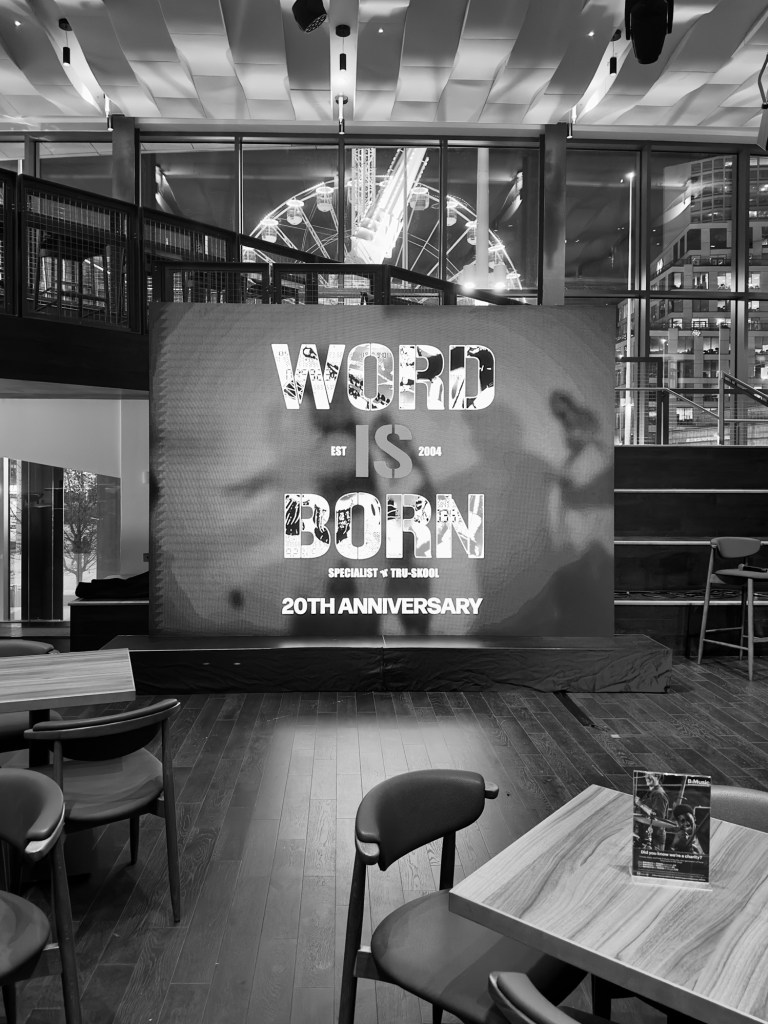
I couldn’t tell you when the first time I heard Hip-Hop/Rap or R&B/Soul music was, these sounds were engrained within my psyche since I could take my first steps; it was on the kitchen hi-fi system when my Dad cooked, it was in my cousin’s car on our way to visit our grandparents on Sunday evenings. The same goes for Bollywood music, I was in love with it up until they started remixing old records and becoming too westernised. However, I remember the moment I was introduced to UK Bhangra. Journey back with me to the summer of 2006. While Justin Timberlake was getting his SexyBack and Fergie was feeling Glamorous, I was going through my cousin’s CD collection and found four albums that led me down an insane rabbit hole of discovery: Outcaste Records’ ‘Essential Asian R&B’ and V2 Music and the BBC’s ‘Bobby Friction & Nihal Presents’ compilation CDs, as well as Juggy D and Jay Sean’s iconic debut albums. This also led me to discover BBC Asian Network and artists like Panjabi MC, Tigerstyle and of course, Specialist & Tru-Skool. It was through their work that I became a bigger hip-hop fan at such a young age. Even though I don’t speak a lick of Punjabi as a Gujarati kid, I just understood it. I felt the dhol, tumbi, dholki and the sarangi in my bones.
‘Word Is Born’ is as seminal of an album as you can think of for the UK Bhangra scene; it had incredible commercial success and even saw international acclaim, yet it lives to be a cult classic of sorts. It effortlessly blends Punjabi folk vocals with what was cutting-edge, East Coast hip-hop production for the British-Punjabi scene in 2004. The album showcased the duo’s deep respect for Punjabi folk with long instrumental outros that let the listener ride the beat out, all while incorporating 90s boom-bap beats, scratches and nasty basslines that created a powerful fusion of past and present sounds, on this 10-track project. The title ‘Word Is Born’ was derived from the slang term ‘word is bond’ in New York, used extensively by the Wu-Tang Clan in the 1990s. The album broke vocal giants like Kaka Bhaniawala and Kulwinder Singh Johal and helped elevate the status and standard of British Asian music, at a time when artists, producers and DJs were creating music that felt ‘watered down’ from its roots. It also helped British Asian youths seek an identity that embraced both their heritage and their upbringing in the West and served as a soundtrack for a generation that was caught between two cultures. Both the artists and the music itself had a level of conviction baked into them that this music was the truth.
Bhangra music, or Panjabi music in general, has never had an album listening session of this kind—let alone an anniversary discussion event like this. Add into the equation a backdrop as remarkable as Birmingham’s Symphony Hall, an invited list of hardcore fans and a who’s who of British Asian artists, producers and instrumentalists, as well as exclusive merchandise that included a one-time pressing of the album on vinyl and you’ve got yourself an incredible night of music to look forward to! Audience participation was heavily encouraged as they wanted to answer any burning questions we had about individual songs or the album as a whole.

Walking Bhangra-encyclopedia and BBC Asian Network presenter Dipps Bhamrah opened the event and gave a short history of how the duo came together, the work they created, the ripple effect of their audacity to call out the hypocrisy and the lack of creativity within the industry at the time and the cultural touchstone that this album has become over time. Co-hosting alongside Bhamrah was Amar from BhangraTapeDeck, who brought the duo to the stage and kicked off the listening session. As they both sat down, they very quickly turned from being the stars onstage to some cool uncles spitting free game. Specialist (Mandeep Singh) and Tru-Skool (Sukhjit Singh Olk) tell the tale of how this project came to be before we started listening to snippets of the album throughout the evening. Absent of the wonders of WeTransfer and the internet, Sukh and Mani would regularly travel down to Leicester’s Fosse Park Shopping Centre, from their respective homes and exchange tapes they had of beats and vocals in the car park. They both brought five vocals each to the table and co-produced songs that they felt, together, embodied their ideology around what this next wave of British-Panjabi music should sound like. It was a challenge to balance the very raw, traditional sounds of Punjab, standout lyrics and how westernised the production should be but suffice it to say, they did a great job.
In a wonderful back-to-back effort, Sahnevaal Chounk made Kaka Bhaniawala a force to be reckoned with and Saibaa Dha Khath introduced Kulvinder Singh Johal to the world, as tracks 1 and 2. Nashia Tho Dhoor spoke out against substance abuse at a time when UK Bhangra glorified it. Bindhi Koka brought different scales and ragas together and harmonised them in a way never done before in Panjabi music, with a Spanish guitar. Basakhi Vaaleh Meleh was this gritty-sounding labour of love that almost didn’t make it on the album. Mooho Boldhi was a mission statement in reinstating authentic folk music to the forefront of British-Panjabi culture with a Dhadi Jatha. Dhullah was this darker, personal tribute to a friend of Sukh’s who passed before the album was released, of which we got to hear an exclusive, previously unheard extended cut of the song that included a beautiful, one-take, solo vibraphone jazz performance by the maestro. Every song was meticulously crafted to a tee, with every intention for it to stand the test of time like their favourite Kuldip Manak albums. There is no filler song here.
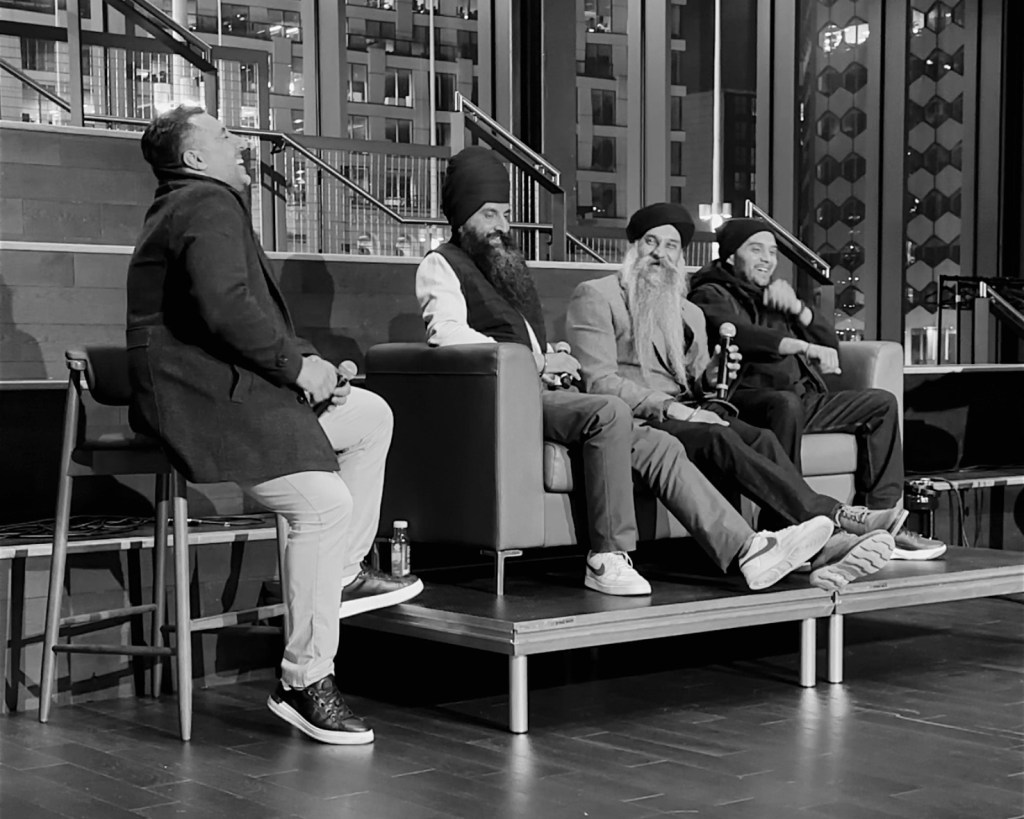
Bhamrah also brought to the stage Bally Rai, the label owner of Easy Life Records, under which Word Is Born was released. Rai jokes with the audience by telling us Mani roped him into helping release this album since he’s his brother-in-law but he genuinely wanted to help platform the duo because of the sheer level of talent he saw in them. Rai also understood that they wanted to do things their way, instead of having to fight tooth and nail with a major label on maintaining creative agency throughout their album-making process and gave them free reign to do so. Even down to how they created music videos for songs on the project, which they did not care for. Sukh explained that they didn’t understand the importance of videos; he grew up absorbing the warps and crackles of analogue audio without the need for a visual aid. DJ Vips of VIP Records would commission a brand new video to be shot for ‘Saibaa Dha Khath’ almost ten years after the last one, as it, ultimately, left a lot to be desired.
Both Sukh and Mani got into quite a lot of trouble with Rai when promoting the album on radio and TV. I won’t go into detail about how because you can Google some of these interviews but I’ll say this, they didn’t care to be politically correct and fake. And they still don’t. They would unabashedly share their opinions on the “shit music” being released in the 2000s on live interviews, name-dropping artists and creating long-standing beef with many of them for years. In hindsight, they were just very passionate about the music! As the three of them discussed how these interviews would result in the break up of Easy Life Records, they acknowledged they came at it quite aggressively.
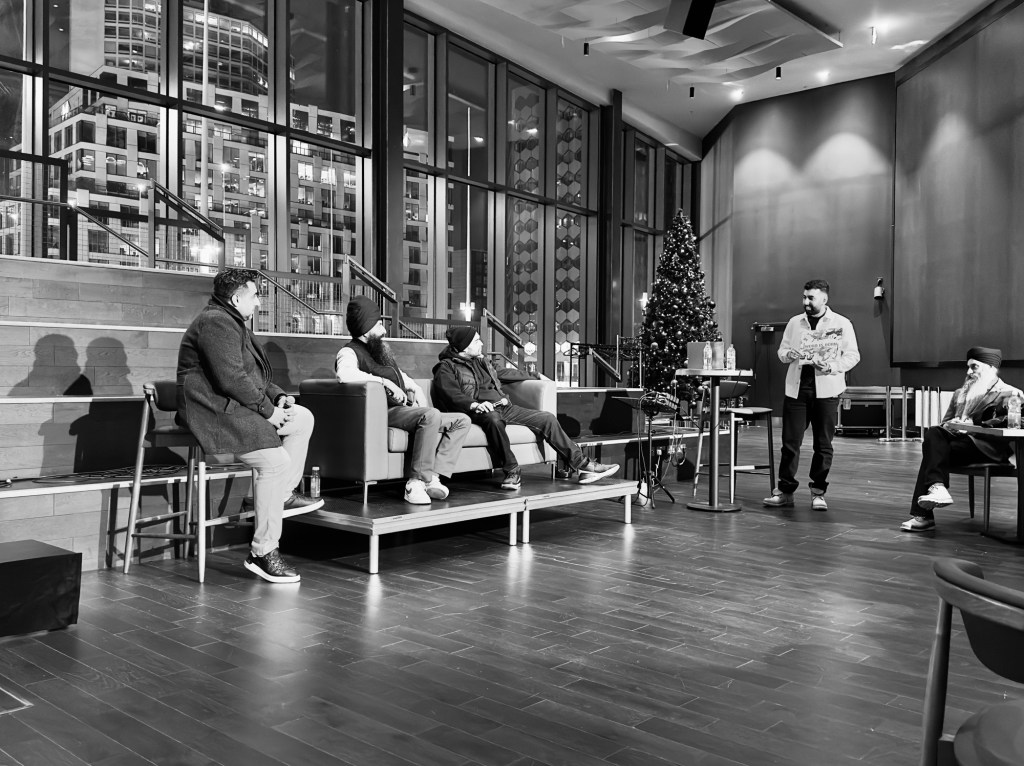
As with any important piece of music, you remember where you were in life when you encountered it. I met a couple there that used this album to soundtrack their entire honeymoon, trekking through India and as a 20th anniversary gift to each other, they had the chance that night to let the duo know just how much this body of work shaped their lives. We also heard from Mani’s cousin, who helped push the album in the streets of Southall with him. He told us how he used to break apart tape players as a kid, use a pen to match two separate cassettes to the same BPM and create mashups. There were so many heartfelt stories being told that night, I can only imagine how it felt for the pair to receive such love from their fans, their peers and their students in the industry, all at once.
This album marked the beginning of a lot of things for UK Bhangra: it was the first Punjabi album to be released on an indie label, to have transitions between songs, to interpolate Hip-Hop sounds and samples, to be recorded outside of studios and in bedrooms with “shitty” £10 microphones, to be professionally mixed and mastered in a studio. You can find the ripple effects of these historic firsts not just in Panjabi music but in a lot of South Asian music today. While Mani hasn’t made music since he became a baptised Sikh, his genius lives and breathes through Sukh, as an extension of himself, in the work he continues to do. Legend has it that Diljit Dosanjh heard Gurbhej Brar’s Chak Dhen Geh—a direct result of ‘Word is Born’ and ‘Repazent’—and knew he wanted to have his voice on a Tru-Skool production. While Dosanjh had multiple albums to his name before their collaboration, ‘Back To Basics’ launched him to heights a Panjabi artist would have never dreamed of. Dosanjh has a work ethic and a humbling quality like no other, as well as generational vocal versatility but it still stands that he wouldn’t become the superstar he is today, selling out stadiums worldwide based on his latest hip-hop, pop and folk-sounding discography, had it not been for the signature Tru-Skool (and Specialist) sound.
Word was born in 2004 and here we are, two decades later, living in the truth that was the word they spoke. And on that note, let’s get back to the programme.
Buy or stream Specialist ‘n’ Tru Skool’s album ‘Word Is Born’ on all major digital platforms.
 JAY DAHYA
Leave a comment