
Growing up in Leicester, I’ve always known how special it is to be brown. To be surrounded by a community that looks like you and talks like you in this very English backdrop, the people of South Asian descent in this city do an amazing job of reminding you of a home away from home—that you belong to a larger society outside of this city of 570,000-odd people, that remarkably hosts a 43.4% split of British Asians. I also knew what it felt like to feel brown too. I remember so fondly being taken to Cossington Park as a kid every year to see the Belgrave Mela; as soon as you stepped onto the grounds, you were immediately bombarded with a life-affirming celebration of our combined heritages: you would see a mini bazaar selling sparkling gold clutch bags and plastic bangles, a faluda-kulfi ice cream stall manned by a suited and booted uncle wearing a kufi, Bhangra dancers in colourful kurtas and ghagra’s playing the dhol, algoze and chhikka on stage and what felt like, to my five-year-old self, a full-sized funfair. As I grew older and the Mela grew bigger, it felt incredible to immerse myself in activities steeped in our collective customs outside of the four walls of my home—inside of which I almost exclusively grew up speaking Gujarati—while being in a setting where the community can connect and build deeper relationships with each other.
I say all this to say that I grew up constantly enveloped in this ever-growing display of South Asian arts, entertainment, linguistics, food and culture from the offset. I see daily, real-life examples of the marriage between our British and South Asian cultures. What I didn’t understand until much later in life was that this lived experience was a privilege. Outside of this very inclusive bubble, I didn’t see people like me occupy as many spaces in as many ways. Even when we did see ourselves in people like Meera Syal, Jay Sean and Konnie Huq to name a few, our contributions are hardly acknowledged in the history books. In a world where our very presence in Western societies causes race-based riots to ignite in the hands of far-right terrorists, it is increasingly imperative for marginalised groups to continue cultivating safe spaces of their own, where they can celebrate their people authentically and invitingly, instead of having to rely on the performative efforts of outside establishments. It’s also important that we find and create multiple spaces for all of us to feel included instead of a blanket representation that others so many of us who have different tastes. You’re then, however, left with an enormous task: how do you create a modern-day mela (of sorts) that builds community but caters to the ‘cool kids’? How do you turn an idea of unbounded inclusivity into reality?
Enter, the Dialled In crew.
Since its inception in 2021, Dialled In’s mission statement has been to “spotlight and platform the wealth of South Asian artistry by building long-term self-sustainable spaces to ensure our culture is held while it evolves and expands.” And so far, this tracks. With the work they’ve done to programme events for Boiler Room Pakistan, Printworks and the V&A, as well as the many day festivals they’ve held in London and Manchester, it’s very clear to both the people in attendance and those watching from afar on social media that the Dialled In brand has been carefully crafted to scream excellence. To see their reputation skyrocket based on the choices to platform the multitude of artists they do and stand firm in the decision to be unapologetic while doing so, in such a small space of time, has been nothing short of astounding.
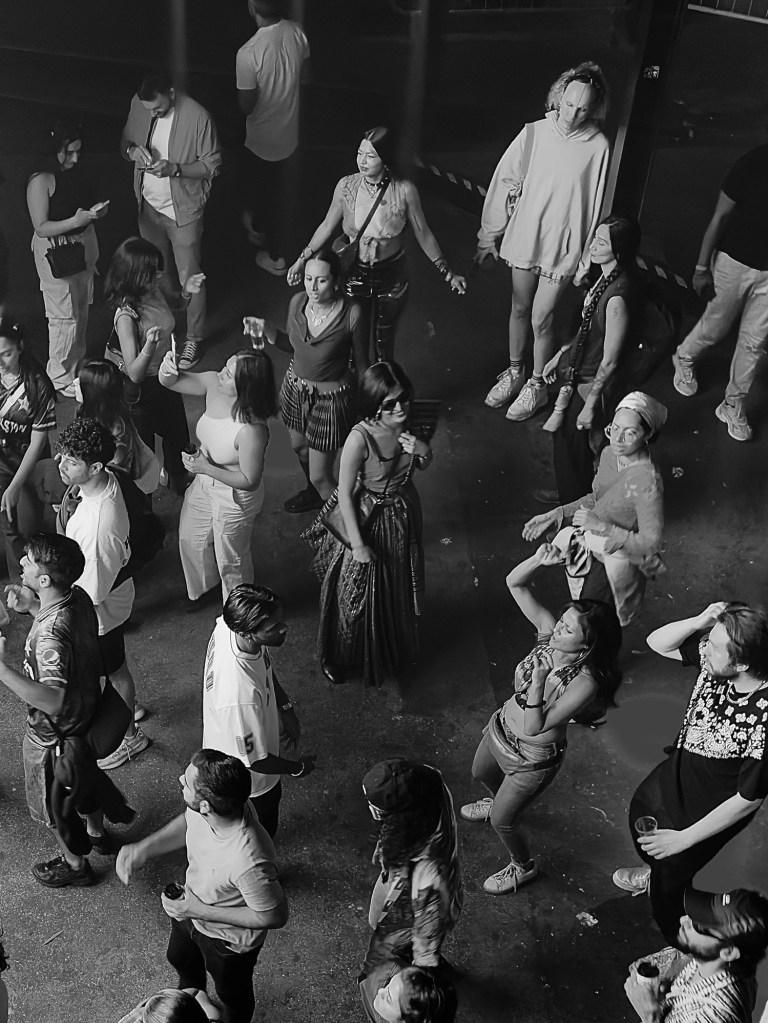
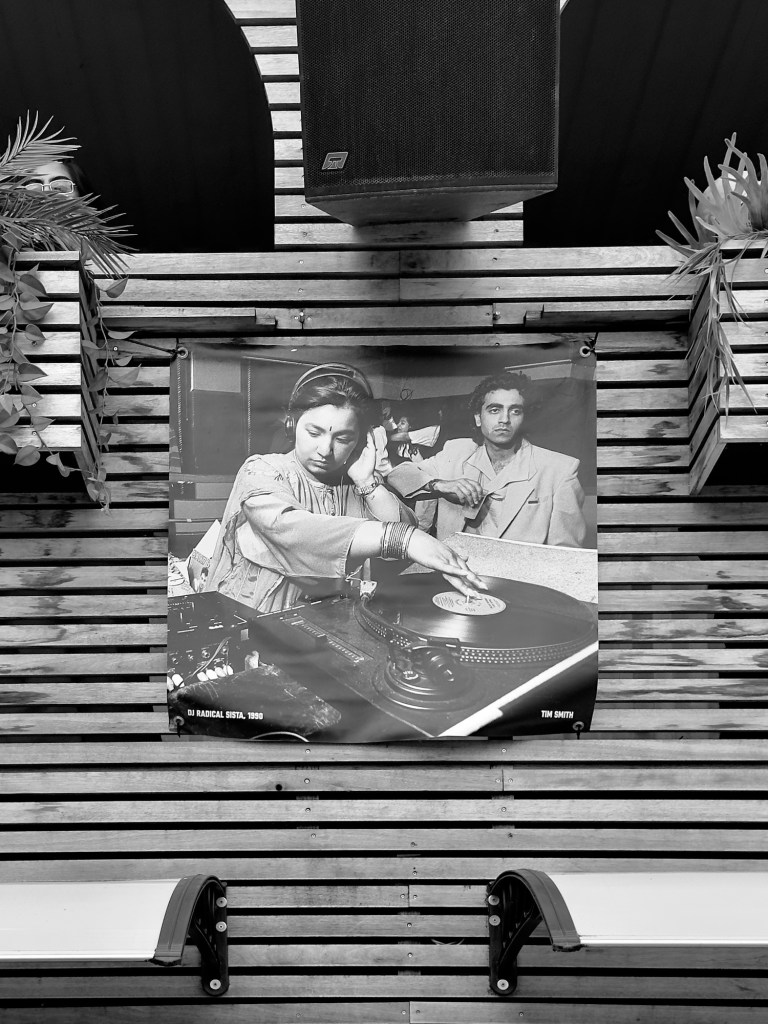
When the world thinks of South Asian music, they think of soaring, high-pitched veteran voices of Bollywood like Lata Mangeshkar or the sounds of a groovy Bhangra track but being of a South Asian background is far from a monolithic experience, especially when it comes to finding a connection to your identity in music. Overlooked and underrepresented for years, artists with South Asian roots have long been missing from the mainstream, but we’re out here, doing what we do best and Dialled In has been here to help the world catch up on just how cool we are for the past three years. You’ll hear everything from the warm crackles of old 7-inch vinyls to the crystal clear 808s of Desi-infused 3-step and gqom inside the walls of this festival.
Now, working weekends is a motherfucker. I regrettably hadn’t been able to make it down to the London events in previous years but finally had my annual leave approved to attend Dialled In this year. I was determined to soak up as much of this event as possible; I was one of the first people in through the entrance of The Cause at 1 pm and was one of the last to leave the After Party at the Colour Factory at 4 am. As I made my way over to West Silverton Station, slowly but surely, I started seeing more and more brown folk all over the tube. Almost glued to Apple Maps, I’m nervously making sure I’m going in the right direction, when as we’re coming to a stop, the doors to the train open wide and I hear the high-pitched jingle of a single jhanjar on the ankle of someone wearing a faded black denim jacket over a black tank top, paired with a bright orange embroidered lehenga skirt and a clean pair of Air Force 1s. It felt both foreign to me and refreshing to see her in her element, in that environment. In all my years travelling down to London, I’ve never seen anyone brave the winds of the Underground with such swag. I started to see these spots of South Asian people eventually band together as one community on the DLR, going forward to this one location, where we could all feel free to be our most authentic selves.
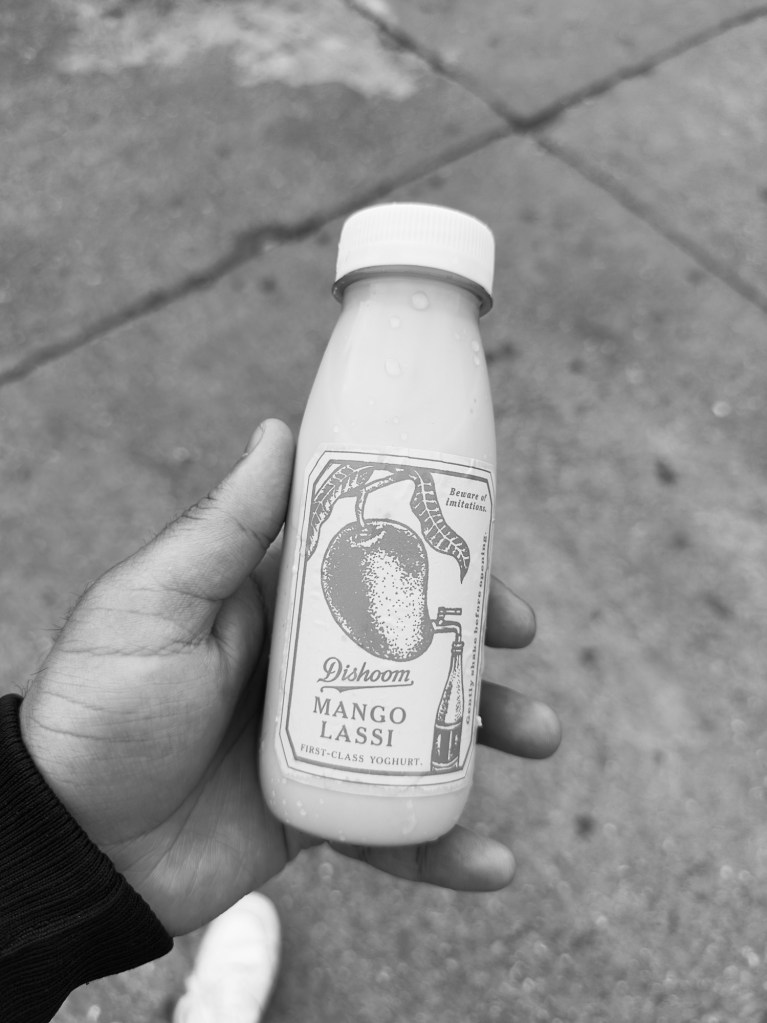
We arrive at the venue and as I approach the end of the security check, I hear this heavy UKG bassline and start smiling. A staff member kindly gave me a token to visit Dishoom—both a comfortable choice for Indian food if you’re ever in London, Birmingham, Manchester or Edinburgh, as well as this year’s festival partner—and ushered me into the colourful, open-air feel of the venue, where I was then promptly directed to the Chillout Zone for some warm, complimentary House Chai, courtesy of Dishoom. Maybe because when we got there, they were still setting up the lighting system on the truss stands in the Courtyard. In their defence, who would’ve expected Asians to get somewhere on time for once? I sat down to sip my chai on a picnic bench alongside strangers, as we made friends over our shared music taste, our outfits and our favourite dosa fillings. As we get up and two-step to the bar outside, I see people barred from the stage with crowd control gates, shouting out to DJ Mahnoor to let them dance closer to her. She got on the mic and called out for us with open arms. Like bees to the Queen Mother, event staff removed the barriers and we flew straight over to her.

As the crowd grew larger, you turned around and saw so many of the artists on the lineup in the crowd, simply having fun. No heavy crew around them; they were there to enjoy the music, just like we were. I approached so many artists that day, all because I could, so that I could tell them how great I thought they were. MTooray, Arthi, Baalti, NAINA, Ahadadream, Gracie T, Kahani & Kunal Merchant—I could go on! Every one of them genuinely appreciated the interactions they were having with their fans that day. Eventually, they’d excuse themselves, get into game mode and become a beast onstage.
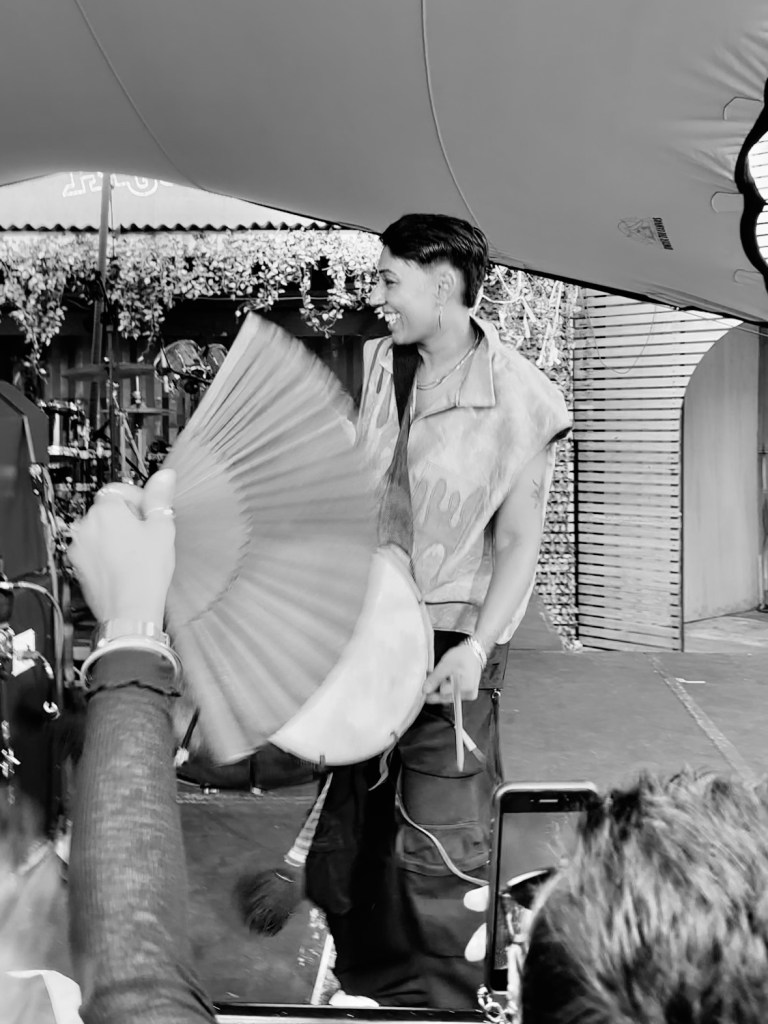
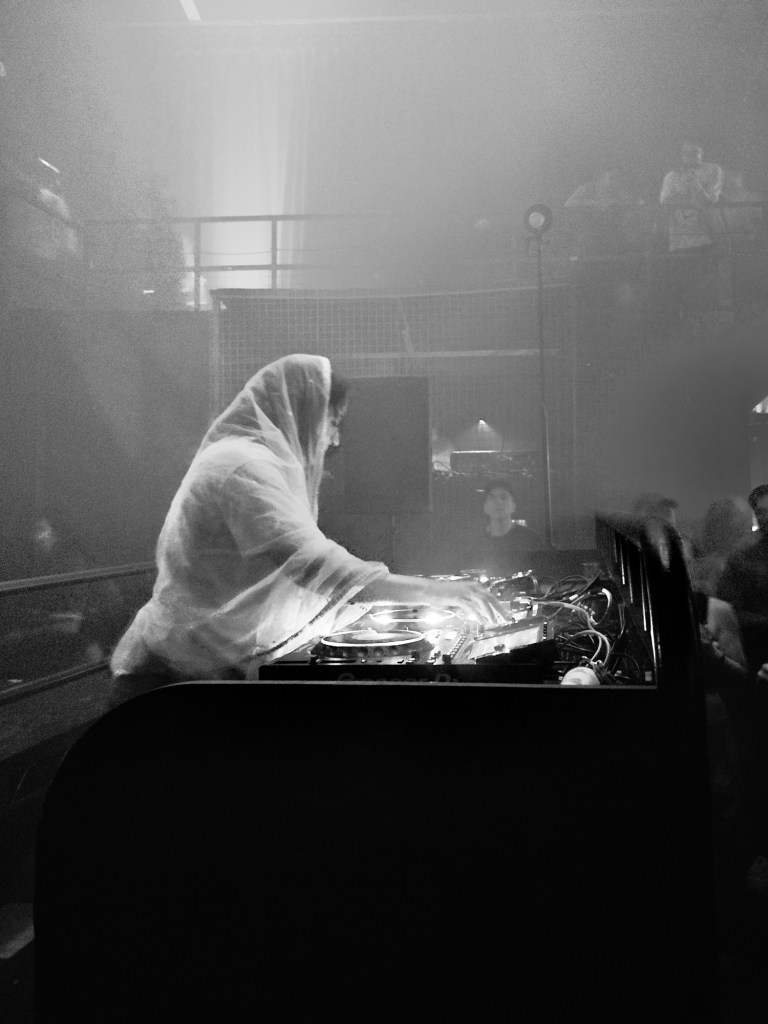
There were so many great sets on the day, that it’s hard to keep track. MTooray, before pressing play on the decks, placed her hand on the stage and then to her heart, as she came up the steps of the platform and took blessings from a higher being to deliver the perfect set to lead us into the afternoon with. After she played through most of her amazing set, while wearing the flyest green jacket I’ve ever seen (the mashup she played of Mohabbatein’s ‘Soni Soni’ with the instrumental to Fireboy DML’s Peru by Harkvibez really hit the spot), she graciously shared her spotlight with Canadian-Indian Amapiano DJ Enchantika and surprise guest Indian pop star Rashmeet Kaur to perform live Desi Amapiano blends that set the crowd off. Kaur, wearing a backless black dress, adorned with colourful sequins and a traditional red phulkari across her chest, looked at us in the crowd with her round shades on and just knew, that we knew she was the shit. She sang and danced her heart out on that stage like a rockstar. If you didn’t know who she was from her hit single ‘Bajre Da Sitta’ before, you were Googling her name right after. You could tell the three of them onstage were having the most amount of fun.


One of the most exciting additions to this year’s festival was the inclusion of the New Delhi-based BOXOUT.FM collective. As a 24/7 online radio station, they helped bring non-mainstream music to India’s youths. As a forward-thinking label, they have over 100 releases under their belt, spanning multiple electronic genres and styles. As a roster of DJs on the Dialled In lineup, they went in and showed us exactly how versatile they were, playing everything from club-ready Bollywood remixes, wubby UKG classics, bass-pounding dubs, groovy reggae and house records for four straight hours. They not only had the London crowd screaming the lyrics to Hanumankind & Kalmi’s ‘Big Dawgs’, they also did a live reenactment of the viral moment from Swadesi’s Boiler Room x Ballantine’s True Music Studios: Mumbai set, where Bamboy, sounding every bit of JME and Devilman, rapped his Andhaar Freestyle for the crowd over the instrumental to Sir Spyro’s ‘Topper Top’. Throughout their four-hour occupancy in the spacious ‘Warehouse’ room, you could come out for a breather and see New Yorkers Kahani and Kunal Merchant go back to back on the decks in the Courtyard for a full two hours, as they played Bollywood, Indian Classical, Qawaali and folk-inspired tech house. The crowd went into a frenzy as they played Kahani’s Dholna Mix of Carlos Francisco’s ‘El Toro y la Rana’, as they did with countless other records from their imprint label Indo Warehouse.
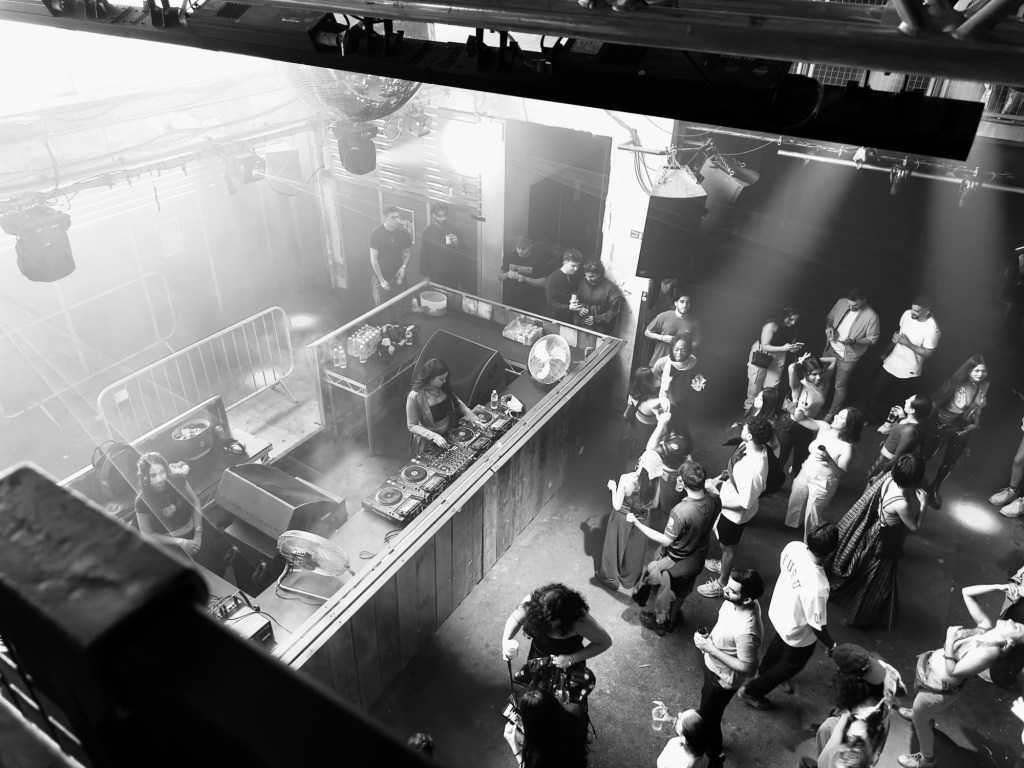
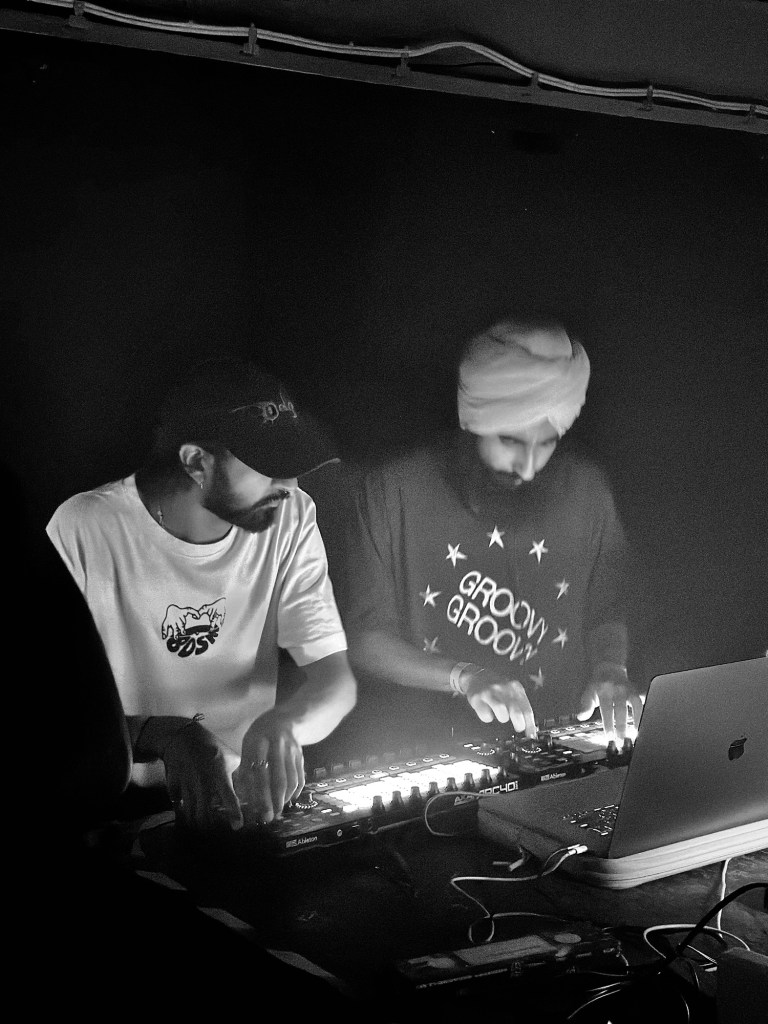
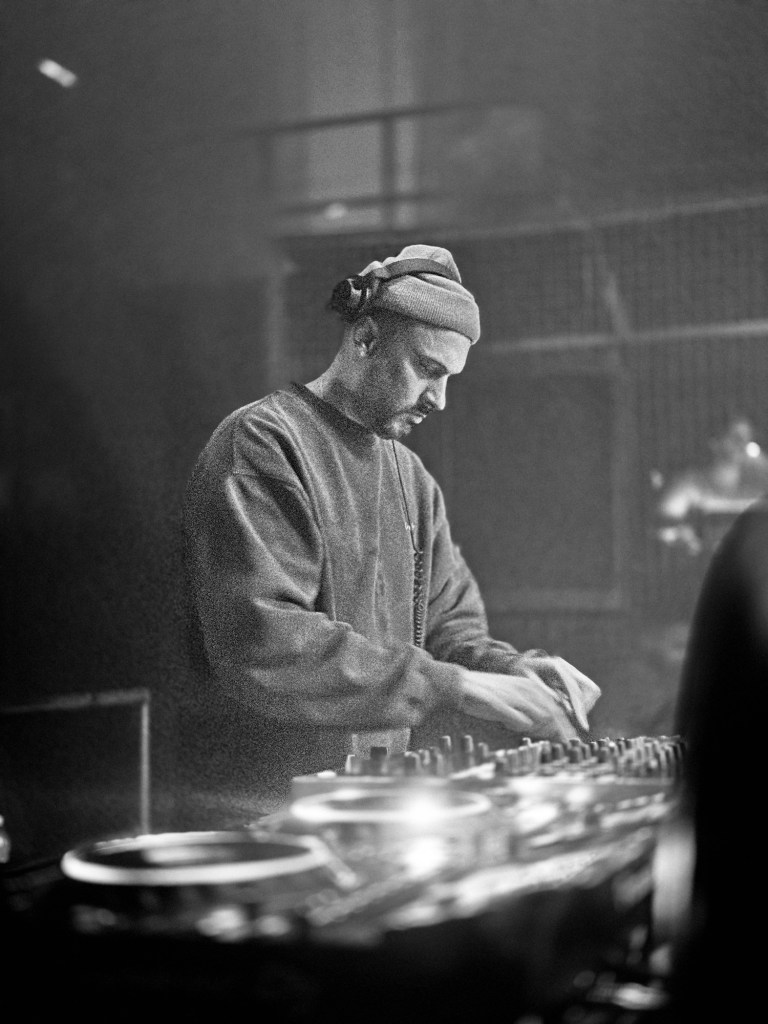
The ‘Best Set of the Day Award’ goes to none other than co-founder of Dialled In, British-Pakistani DJ and Producer, Ahad Elly, widely known as Ahadadream. Allow me to paint you a picture: Ahad’s set took place inside the ‘Gallery’—a dark, low-ceiling room with rows of strobe lighting installed for ambience, a bar caged off at the back and the smallest window in the corner of the room, opened ajar to let some air in. There was one small door in and one small door out. The capacity couldn’t have been more than a few hundred, which was intimate considering the event had garnered the support of approximately 3000 ravers that day. The AC unit above the DJ station was, at its best, a complete hit-and-miss and the ground-shaking sound system took up the entire height of the room. San Francisco-based Producers and DJ duo Baalti peppered the crowd nicely for Ahad’s appearance on the lineup, with a live mix made entirely of their original productions, both on the Pioneer decks and an Ableton-powered MPC.
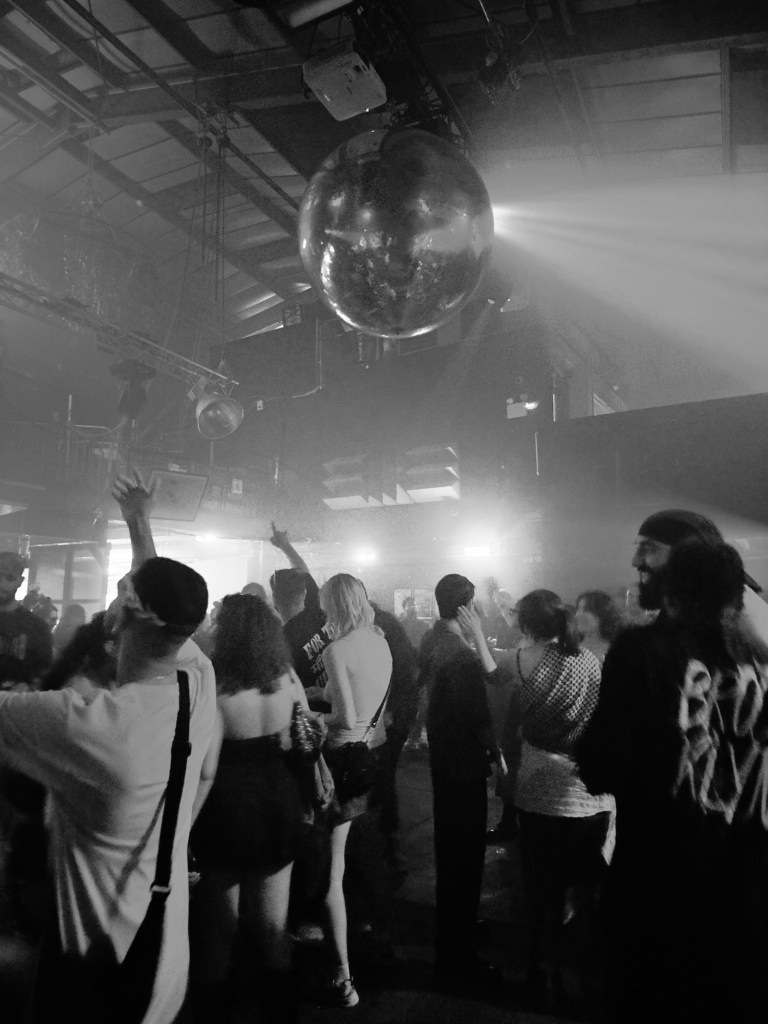
Halfway through their set, the room started to fill. There was no physical space to be a wallflower. Bodies packed in tight to see Ahad hit play on the CDJ, so much to the point that there were crowds in the short spaces to get through any door into that room. He came to the table, smiling ear to ear and locked in. I’ve never seen anyone command a room the way he did that night. His mixing was effortless. The heavier the bass from his percussion-heavy club set hit our chests, the more we sweat and it wasn’t a few beads from our foreheads. This was ugly sweat. Not 10 minutes into his mix, people were taking their jackets, cardigans and T-shirts off; that room became a boiler room real quick, pun very much intended. And we couldn’t have wanted it any other way. There was electricity flowing through that crowd like I’ve never experienced before, Ahad played his set in a way that required you to leave your troubles at the door and unabashedly move your body. The pulsing neon blue and saturated red lights bouncing off of the brown skins jumping in the crowd, like crashing waves in a wild sea, was a sight I’ll never forget. He, of course, played his biggest songs to the crowd: ‘TAKA’ with Priya Ragu & Skrillex, which was just used to unveil the brand-new iPhone 16 to the world in Apple’s September Keynote and ‘Piano Skank’, a modern UK Funky club classic that can instantly reignite the energy of any crowd. He also played powerful edits and unreleased remixes of Afsana Khan & Nirmaan’s ‘Koi Si’, Bollywood cult classic ‘Dholna’ from Pyar Ke Geet, Panjabi Hit Squad’s ‘Hai Hai’ and Partners In Rhyme & Nusrat Fateh Ali Khan’s ‘Tere Bin Nahin Lagda’, featured most famously in Gurinder Chadha’s 2002 classic Bend It Like Beckham, for which the entire crowd, subsequently raised on that film, lift their hands in the air to sing the starting notes like they were all Qawaali maestros too.
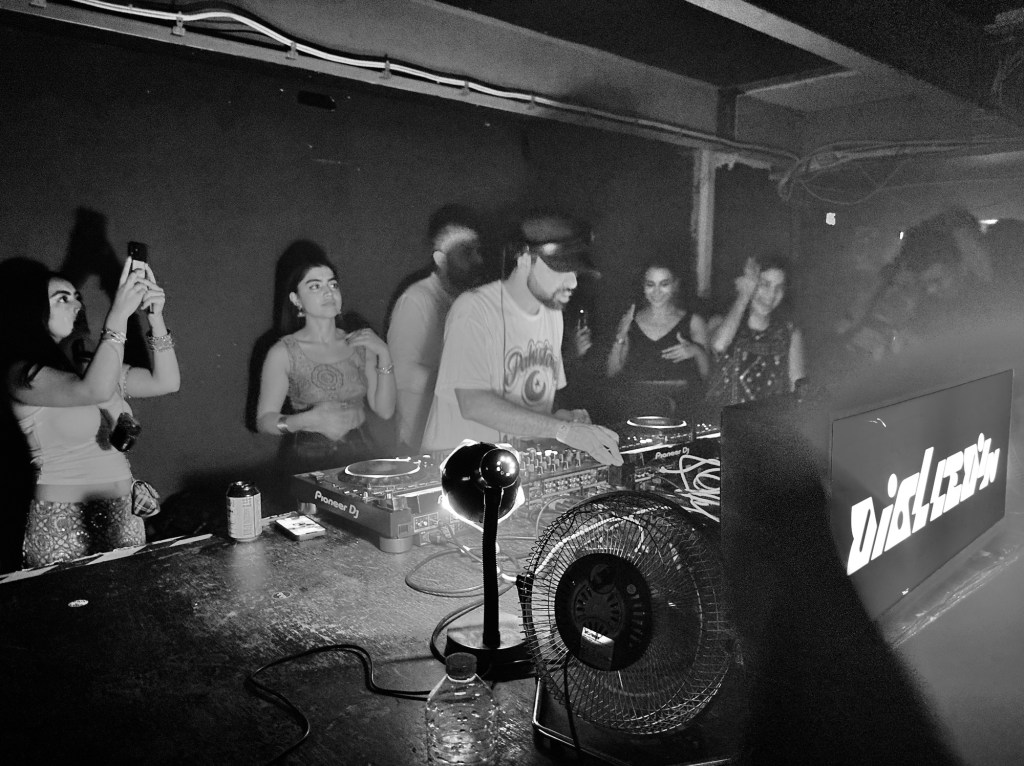
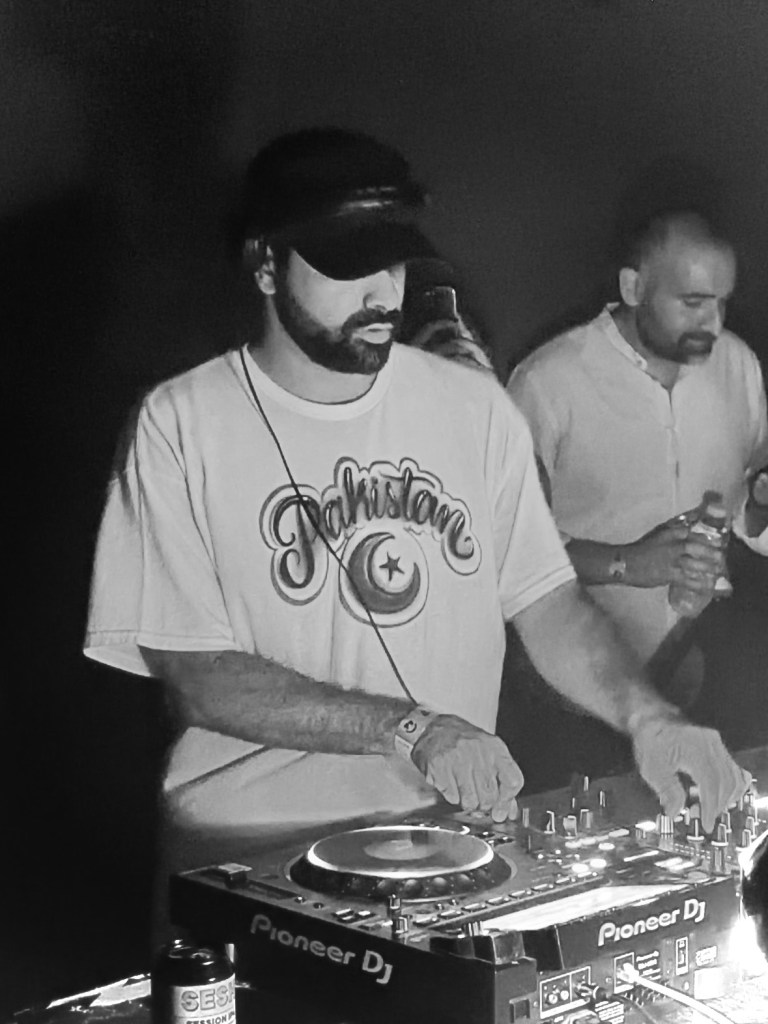
After his set, the crowd dispersed. Gracie T took a fire extinguisher to the CDJs that Ahad set ablaze and proceeded to create her heat with them, being as though she now had to follow him on the lineup. He finds his way outside of the craziness of playing in the Gallery and walks outside to a sea of outpouring love from hundreds of fans. Some cheer him on, some applaud him. Some simply give him a nod of respect. He says gently into the ears of his entourage, “It’s about to get crazy now” and slowly makes his way out of the crowd of well-wishers to find refuge and enjoy the rest of the night. He eventually made his way to Priya Ragu’s concluding performance, where she not only had her audience chanting “Free, free Palestine!”, but they also both reunited in the middle of the crowd and danced with joy, arm in arm, while Ragu sang the lyrics to their song, “Chin mudras up, take off, levitate. It’s a vibe, it’s a vibe, let the dhol demonstrate like—”. Festival goers heard her sing her biggest hits like ‘Vacation’ from her latest album Santhosam while watching cable cars and trains slowly drift on by, from the first-floor view of the Courtyard terrace.
One of the last sets of the day belonged to DJ, Apple Music 1 Radio Host and Co-founder of Jungle and Techno record label Hooversounds Recordings, NAINA Sethi. We travel back to the Gallery, where the room is still feeling the aftermath of Ahad’s sweat-inducing set. Kavin Amara, a.k.a. Skeptic, is running through the last of his Speed Garage, Grime and House tracks before handing off to NAINA and you start to see the crowd die off. Legs are giving out and finger guns are in dire need of their clips being reloaded. People needing air at this point are desperate for it. She inserts her trusty USB into the console, puts her headphones on and goes to work anyway. Being the DJ she is, she puts on the most high-energy, high-speed set that she usually would. She throws in a cheeky Eastern Jam rework and a nasty Naag remix for that sprinkling of South Asian sounds, given the platform she’s been asked to perform for but keeps to a mostly instrumental set, sometimes dropping music from her label. She started with about 25 people in the room, 30 minutes later and she has double the crowd size. While she may have only had a fraction of the room capacity, she had us in the palm of her hands. That small crowd gave her the last remaining droplets of energy left in their bodies. People felt freer to dance barefaced because there was finally room too. Those with handheld fans took advantage of the only form of AC in the room, as the rest of us continued to punch our fists in the air. In time, the music fades to an end and NAINA looks up at us laughing as we scream our excitement and our congratulations to her. She left it all on the floor for us and ended the event perfectly.

As we sluggishly made our way down the stairs to the exit, you could hear Haseeb Iqbal finish up his four-hour long, sweaty and energetic vinyl set in the ‘Brut’ room, full of sounds from Pakistani film soundtracks and resistance music, as he completed his mission to subvert stereotypes of what the Pakistani identity could both look and sound like. We finally stepped out to see that the dusky sky had turned dark; the extra warmth of the fairy lights illuminated our path to exit the venue and say goodbye to Dialled In’s day event.
I speak at length about how the music moved the people but I never touched on the people themselves. Throughout the day, I’d overheard and spoken to so many people talking about so many different things: I overheard an older gentleman come out to his friend over the phone, I saw friends reunite after years of being apart, I spoke to people who had flown over from Los Angeles especially to see artists play. I’d also seen the most amazing clothing and jewellery choices: printed sarees, lavish nakhni’s and jhumka’s, an Asha Puthli T-shirt, kurta pyjamas, long sleeve fishnet tops, rainbow-coloured striped shirts, Englistan polos, South Asian country flags, off-the-rack designer vests and custom artworks on the backs of denim jackets. I saw it all.
Community plays a huge role in how Dialled In organises its events. Everyone is welcome, whether black, brown, white or anything in between. All of us there found some type of solace in being in that space: we were creatives pushing the boundaries of what our parents thought our careers would be; we were the culturally competent and politically charged friends in a circle that didn’t care about their brown identities; we were the queer folk trying to find new community in people that would love us for who we are; we were the kids who wanted to fit in but knew we weren’t the cookie-cutter Asians they wanted us to be. The tides are changing, we’re seeing people being less afraid to be outwardly proud of their heritage and how that, in turn, informs their British identity. It might only manifest in the smallest ways, someone might feel empowered to start wearing mini gold jhumka earrings to the office. It could be with a megaphone on the streets of Brick Lane in London, to advocate against the redevelopment of the area. However that manifests itself, it’s still something. There is no black-and-white rule on how to be and feel brown in today’s day and age. Spaces like this remind us that we’re not one sound, we are many. We are Classical, Hip-Hop, R&B, Indie, Soul, Alternative, Dance/Electronic, Rock, Pop, Jazz, Funk, Folk, Reggae and Disco all at the same time. We are everything we want to be and this festival does an impeccable job of reminding us of the ideals we can aspire to achieve.

The world is dialling into who we are and what we’re doing in this space. The South Asian sound is being heard throughout the world. We have the likes of Punjabi pop stars Diljit Dosanjh and Karan Aujla selling out stadiums, DJs like Yung Singh and Manara attracting the most diverse crowds to their sets and artists like Raveena, Raf-Saperra, Nabihah Iqbal, Peter Cat Recording Co. and Subhi telling the world, through their art, that they won’t fit in the box you want them to be confined in. The culture advances when we all advance. Together, without leaving anyone behind. As long as spaces like Dialled In platform our people, we will continue being shown what we can aspire to be.
And if you ask me, that’s a pretty great legacy to leave behind.
 JAY DAHYA